
Whenever you walk into your bedroom it needs to feel comfortable. Furniture, lighting, bedding and décor all play a part in creating that feeling, but it is often the color of your walls that sets the scene for the entire room.
The right bedroom color ideas can make a small room look bigger, add a warmer feel to a large bedroom or provide a striking feature behind the bed. You don’t always have to go for the expensive makeover. A simple change of wall color and co-ordination with your existing furniture can sometimes give the room an entirely new personality.
The days of plain white walls in bedrooms are gone. Soft greens, warm beige, earthy terracotta, muted blues, creamy neutrals, dusty pinks and carefully considered dark shades are all useful options. The trick is to choose a scheme that works with the natural light in your room, your furniture, your floors and your personal style.
In this guide we’ll look at 26+ modern bedroom color ideas and break down where each scheme works best.
The Importance of Bedroom Color
Color does make a difference to the look and feel of a bedroom. Lighter shades reflect more light and make a smaller room feel larger, while darker shades can create a warm, enclosed feeling.
Your choice should also go well with the things that are already in the room. A color that looks lovely in a showroom can look very different against dark wooden furniture or under warm artificial lighting.
Before you choose paint, think about:
1. The dimensions of your bedroom
2. The amount of natural light in the room
3. Color of your furniture
4. Flooring & curtains
5. The look of your home
6. Modern or dramatic atmosphere, warm and calm
One main color with one or two supporting shades will help keep the room visually balanced.
26+ Bedroom Color Ideas to Refresh Your Space
1. Warm White and Sage Green
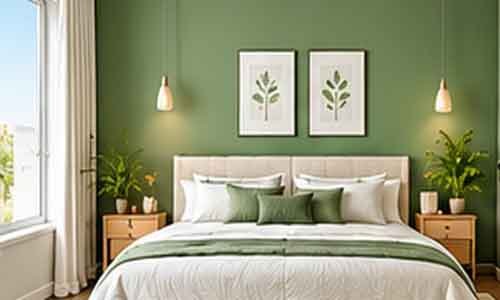
Sage green is a natural choice for a bedroom as it adds color without being too intense.
Combine a soft sage wall with warm whites on the other walls, ceiling, bedding or curtains. You can finish the look with wooden furniture and indoor plants.
This combination works especially well in bedrooms, where you want a relaxed, nature-inspired feeling.
Best for: Modern, Scandinavian and nature-inspired bedrooms.
2. Beige & Cream
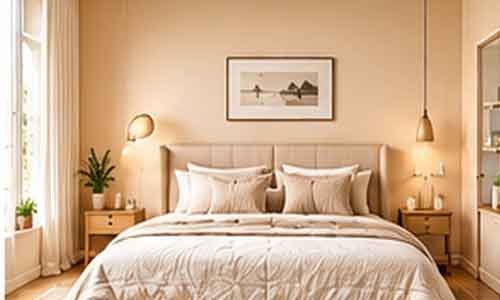
If you want a classic bedroom, you can’t go wrong with beige and cream.
Choose beige as the main wall color and incorporate cream with the headboard, curtains, bedding or accent wall. Different textures can keep the neutral palette from looking flat.
This is especially useful if you want your bedroom to remain stylish for many years, and not follow a strong color trend.
Best for: Master bedrooms and minimal interiors.
3. Navy & White

Navy blue used behind the bed makes a strong center of attention.
Instead of painting all the walls navy, paint one accent wall navy and leave the surrounding walls white or warm off-white. Light bedding and wooden furniture can take the edge off darker shades.
Best for: Big bedrooms and contemporary interiors.
4. Dusty Blue Soft Gray
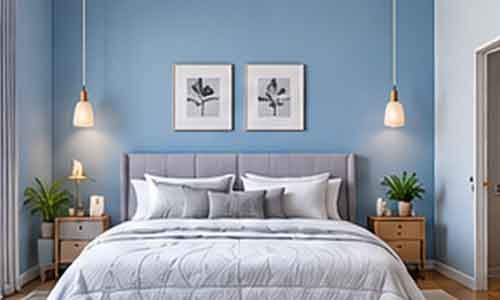
Gray and soft blue create a quiet, sophisticated bedroom.
Pick a blue that’s understated not a super-bright blue. Add gray with upholstery, curtains, rugs or bedspreads.
The effect is subtle enough for everyday life, but it gives the room more personality than an all-white scheme.
Ideal for: Small, modern bedrooms.
5. Warm Cream & Terracotta
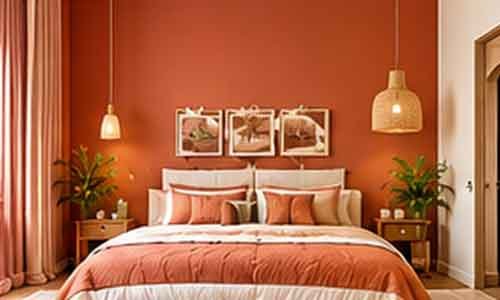
Terracotta is a warm, earthy shade to use in a bedroom.
One practical solution is to use terracotta for an accent wall, and warm cream or ivory for the remaining walls. The combo looks great with wooden furniture, woven baskets and natural fabrics.
Best for: Bohemian, rustic, and earthy interiors.
6. Olive Green & Beige
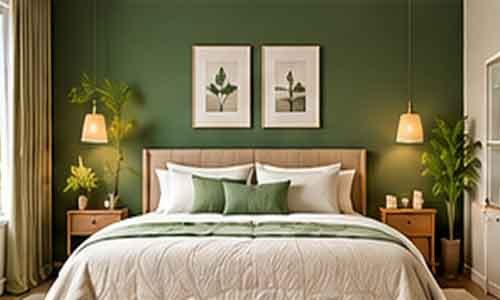
Olive Green Olive green is a deeper and warmer shade than sage green and is useful when you want a stronger connection with nature.
Pair it with beige walls or furniture to prevent the room from getting too dark. An extra touch of sophistication can be added with brass or muted gold accents.
Best for: Big bedrooms and earthy interiors.
7. Warm White and Light Pink
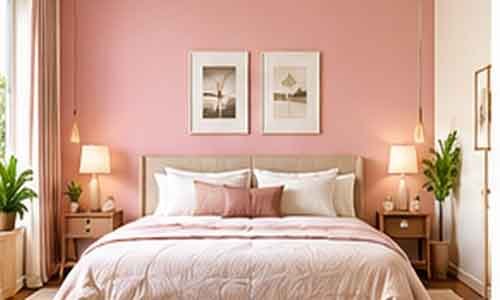
Pink doesn’t have to make a bedroom look too bright or childish.
A warm white with a dusty blush or muted pink will create a soft contemporary space. Keep the furniture simple and use neutral fabrics to keep it looking grown-up.
Best for: Contemporary luxury bedrooms with a soft touch.
8. Ivory & Lavender
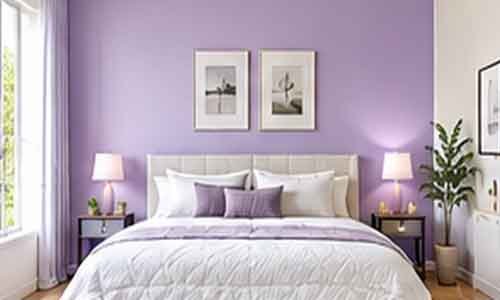
Lavender can add color, but still look soft.
Mix an accent wall in a muted lavender with ivory walls and neutral furniture. Don’t go overboard with competing shades of purple, as it can make the room look visually busy.
Best for: Cool and sophisticated bedrooms.
9. Charcoal Gray / Off White
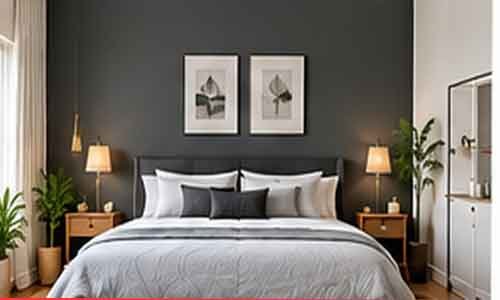
If you want a more dramatic bedroom, charcoal gray can be used. It is a sophisticated backdrop.
Use charcoal primarily on the wall behind the bed and balance it out with off white walls, light bedding and adequate lighting.
Dark colors are particularly effective in rooms that receive a lot of natural light.
Perfect for: Modern and luxury bedrooms.
10. Cream & Peach
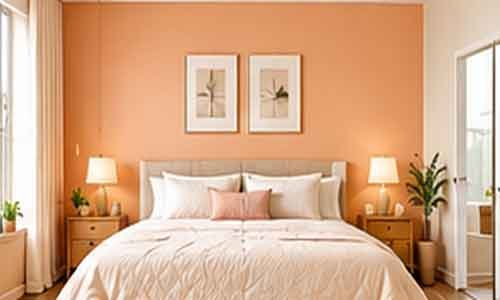
Orange is intense, but peach adds a warm and welcoming feel to a bedroom.
Pair muted peach with cream or ivory tones. The palette naturally pairs with wooden furniture and soft lighting.
Best for: Happy and warm bedrooms.
11. Forest Green + Beige
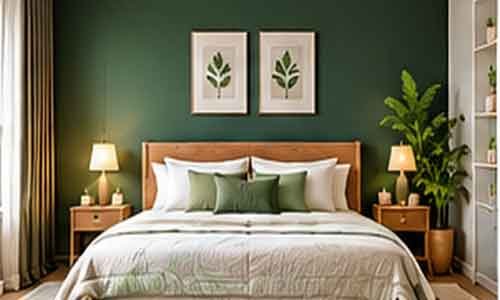
Forest green makes a dramatic connection with nature.
Because it is a deep shade, it is more effective to use it on one wall than to cover the whole room. Beige bedding, cream curtains and wooden furniture can balance the darker color.
Best for: Big bedrooms and daring walls.
12. White & Wood Natural
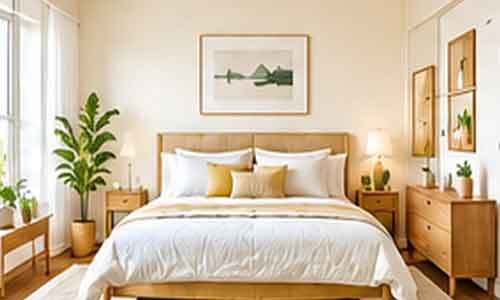
Sometimes the best bedroom color combo is simple by design.
White walls give a clean backdrop, while natural wood adds warmth. Then you can add pops of color with plants, artwork, cushions or rugs.
It also means you can change the style of the bedroom later on more easily without having to repaint.
Perfect for: Minimalist and Scandinavian bedrooms.
13. Warm beige and gray
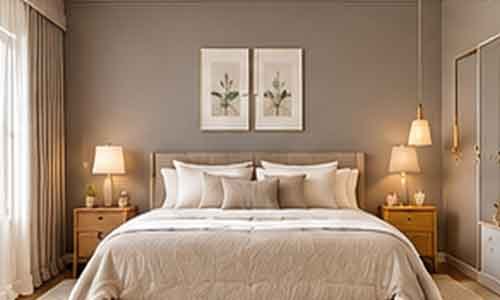
Gray doesn’t have to be cold.
Select a warm gray with beige undertones and pair it with cream or beige furniture. Soft textiles can give a room a much warmer feel.
Best for: Contemporary master bedrooms.
14. Cream and Teal

Teal has more personality than a conventional blue while still working well with neutral colors.
use teal for accent and cream for support. Warmth is added by gold colored lighting or wooden accessories.
Best for: Contemporary statement bedrooms.
15. Chocolate Brown and Cream
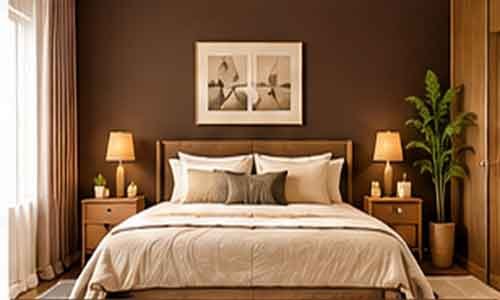
Brown, used carefully, can create a cozy bedroom.
Use it behind the bed or in furniture and decorative panels, instead of making all the walls dark brown. Cream walls and bedding give a lighter feel to the overall room.
Best for: Warm, traditional and luxury interiors.
16. white and blue powder
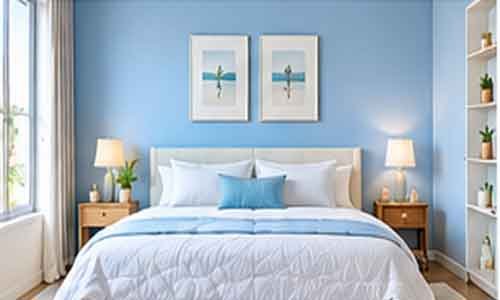
Powder blue is especially good for creating a light and airy bedroom.
Match it with white walls, white linens or light wood. This combination is particularly effective in smaller rooms that have good natural light.
Perfect for: Small bedrooms and coastal interiors.
17. Ivory/Taupe
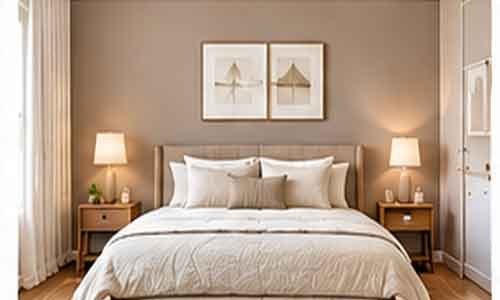
Taupe is a warm neutral, a color that is halfway between gray and brown.
It’s nice if you want something more interesting than plain beige but less dramatic than charcoal or navy.
Add ivory textiles and wooden furniture for a comfortable, layered appearance.
Best for: Modern master bedrooms.
18. Soft Beige + Mustard
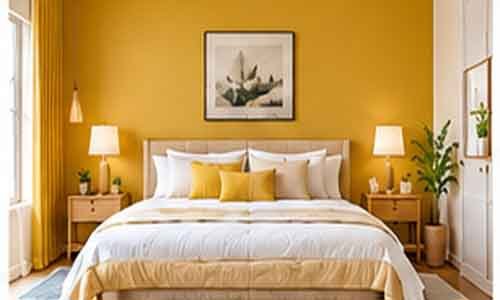
Mustard can bring energy into a neutral bedroom.
Instead of a bold mustard color over all the walls, try it in an accent wall, cushions, artwork or chair. Pair it with a soft beige to balance out the entire look.
Best for: Eclectic and contemporary bedrooms
19. Dusty Rose & Light Gray
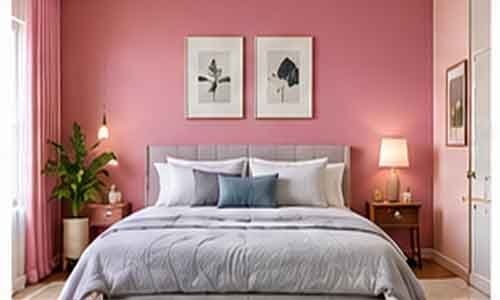
Dusty rose is a more subdued shade of the brighter pink.
It is paired with light gray for an elegant two-colour scheme. Dark or black wood furniture can add contrast but not take over the room.
Best for: Contemporary adult bedrooms.
20. Deep Blue & Warm Beige

The deep blue can give a bedroom a cozy sophistication.
Warm beige is useful here because it stops the darker blue from taking over the whole space. Add warm lighting, not too many cool white bulbs.
Best for: Modern and luxury bedrooms.
21. Light Brown & Cream
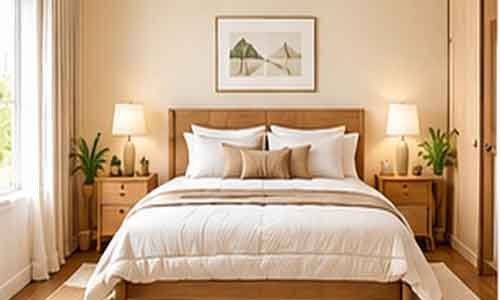
If warm neutrals are your thing, this is another good one.
Main wall color is cream and light brown is in the headboard, wooden furniture, rug or accent wall.
The textures are important because the colors themselves are relatively subtle.
Best for: Classic and minimalist homes.
22. White and Mint Green
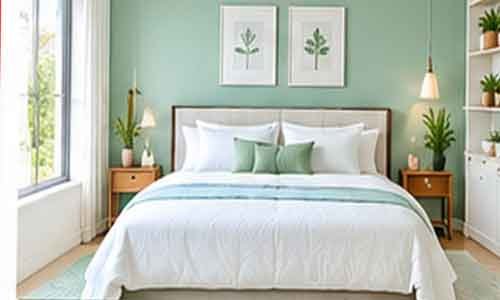
Mint green can add a fresh feeling to a bedroom without being overpowering.
Pair with white furniture or bedding and use as an accent wall or in select areas.
Natural wood and small plants indoors can add to the fresh look.
Best for: Small bedrooms and modern interiors.
23. Burgundy & Cream
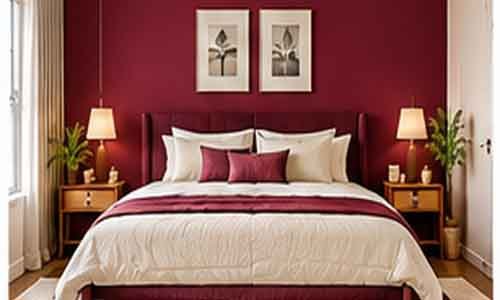
Burgundy is a rich color, and can create a dramatic bedroom.
It is intense, and therefore it is usually better used as an accent rather than as the dominant color in a small room. Cream and beige with warm lighting help soften it.
Best for: Glamorous, luxury and dramatic bedrooms.
24. Yellow & White (Soft)
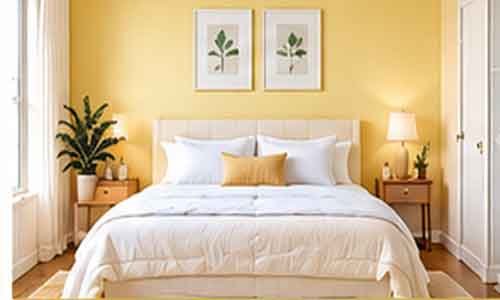
Soft yellow adds brightness and a welcoming feel to a bedroom.
Choose a not super bright yellow but a subtle yellow. Pair with white and natural wood for an easy, cheery interior.
Best for: Rooms with little or no natural light.
25. Black, White and Wood

Black and white, combined with natural wood, can make for a striking modern bedroom.
Paint most walls white and use black for select furniture pieces or an accent wall, adding wood to soften the contrast.
Best for: modern interiors and industrial-style interiors
26. Ivory and Emerald Green

A dark emerald wall paired with ivory gives a rich, elegant look.
27. Clay & Sand
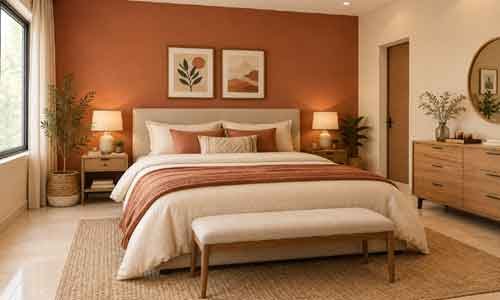
Sandy beige clay tones make for an earthy, comfortable bedroom.
28. Cream and Muted Coral

Muted coral gives warmth, but not the fierceness of bright orange.
Small Room Bedroom Color Ideas
Small bedrooms need a somewhat different approach.
Light colors generally reflect more of the available light and can also reduce the visual weight of a room’s boundaries. This is not to say that dark colors are banned. This doesn’t mean you can’t have a dark accent wall, while the rest of the room is light.
Some good choices are:
- Natural wood and white
2. Cream & Light Tan
3. Blue Light and White
4. Sage green and cream
5. Gray and white soft
6. Ivory and light lavender
Avoid using strong colors in a small bedroom. Usually two main colors plus a small accent color is enough.
Master Bedroom Color Ideas
You can get more adventurous with deeper or richer colors in a master bedroom.
Think of:
1. Navy & beige
2. Forest green & cream
3. Ivory and charcoal.
4. Taupe & White
5. Cream and terracotta
6. Warm beige and olive green
An accent wall behind the headboard is especially useful as it creates a visual focus without the need to use a dark shade throughout the entire room.
Colors that are best for a calm bedroom
If you want a relaxed feel then muted colors are usually easier to live with than very bright shades.
Think about:
Soft blue: Classic cool tone.
Sage green: Gives a natural feel but not too strong.
Lavender: Works well when toned down.
Warm beige: Provides a warm, neutral backdrop.
Cream: Softer than bright white, and easy to match.
Warm grey: An effective neutral for modern homes.
Lighting, bedding, furniture and the general visual clutter of the room should be considered along with color.
Choosing a wall color for the bedroom
Follow these simple steps Before buying paint.
1. Test Your Natural Light
Look at the room in the morning, in the afternoon, in the evening.
Depending on the direction and amount of sunlight, the color may appear warmer or cooler.
2. Think About Your Furniture
Dark walls can make dark furniture look heavy. With light furniture you can experiment more with deeper colors.
3. Check Room Size
Light colors can make a compact bedroom feel more open, while darker colors can make a large bedroom feel more intimate.
4. Select Your Main Color
Choose the color you want to see most prominently.
5. Select a Complementary Color
Use a second shade for furniture, textiles, an accent wall or architectural details.
6. Test Prior to Painting
Never judge the color of paint from a tiny printed color chart.
Try a sample on the real wall, and look at it at different times of the day.
How to Match Bedroom Walls with Furniture Colors?
You want your walls to complement your furniture, not to compete with it.
With Wood Furniture
Wood goes well with warm beige, cream, sage, olive, terracotta and muted blue.
In White Furniture
You had more freedom. Soft blue, green, pink, gray, beige and darker accent colors can work.
With dark-colored furniture
For visual balance, go for lighter walls such as cream, warm white, beige or pale gray.
In Gray Furniture
Soft blue, sage green, dusty pink, cream and warm beige can add warmth.
Should You Use Accent Walls?
An accent wall is one of the easiest ways to add character to a bedroom.
The wall behind the bed is usually the most natural place as the bed itself already creates a visual center of attention.
You could make an accent wall with:
1. A darker color of paint
2. Two-tone paint
3. Patterns of geometry
4. Texturized finishes
5. Wooden panels
6. Wallpaper 10
7. Molding decoration
You don’t have to have a bright color. A slightly darker shade of your main wall color can create a subtle and sophisticated effect.
How Bedroom Colors Change With Lighting?
Don’t pick bedroom paint without thinking about lighting.
Some colors appear cooler and brighter in natural daylight. Warm artificial light can make browns and terracottas look richer, as well as beiges, creams and peaches.
If your bedroom doesn’t get much sun then very dark colors on all the walls may make the room feel closed in.
If your room has lots of natural light you can afford to be a little bolder with darker shades.
Mistakes That You Should Avoid When Painting Your Bedroom
Too many colors to use
You don’t need six or seven competing colors in a bedroom.
Choose a main color, a supporting color and maybe an accent color.
Ditch Your Existing Furniture
Always think about the color of your bed, cupboard, floor and curtains when selecting paint.
Choosing a Color from a Photo
You can use online images for inspiration but bear in mind that colors on screen are not the same as in real paint.
Paint All Walls Dark
Dark colors can look beautiful, but using them throughout can make some rooms feel smaller.
The Ceiling is Ignored
A very stark white ceiling may not work with a warm color palette. A very light complementary or off-white shade can sometimes help you create a more connected look.
How to Use Color to Make Your Bedroom Look More Expensive?
You don’t need expensive furniture to create a polished bedroom.
Combine:
– One complex wall color
* Plain bedclothes
* Coordinating curtains
* Lighting that’s warm
* Wood natural
* A large area rug
* Limited decorative accessories
* One strong focus
Often, neutral colors with layered textures can look more refined than a room filled with too many decorative colors.
Conclusion
Best bedroom color ideas are not always the most daring. A good color scheme should match your room, your furniture, your lighting and the atmosphere you want to create.
Soft neutral tones are great for timeless interiors, blue and green can create a calm visual character, earthy shades add warmth and deeper colors can turn an ordinary wall into a dramatic center of attention.
“Begin with the room you’re in. Look at its natural light, furniture, flooring and dimensions. Then select a primary color and construct the rest of the palette around it.
With thoughtful color combination, your bedroom can feel completely different without a complete renovation.
Bedroom Color Ideas FAQ’s
Q.1 What is the best color for a bedroom?
Ans. Opt for soft beige, cream, muted blue, sage green and warm gray – all great choices for a bedroom.
Q.2 What color makes a small bedroom look bigger?
Ans. If you want to make a small bedroom look bigger, then use light colors such as white, cream, light blue or soft green.
Q.3 What are the present bedroom colors are?
Ans. Modern bedrooms often feature warm neutrals, earthy greens, muted blues, soft pinks, beige, greige and well-curated dark accent colors.
Q.4 Do I have to paint all the walls in a bedroom the same color?
Ans. You can. An accent wall can add depth and create a center of attention behind the bed.
Q.5 What is a good color combination for master bedrooms?
Ans. Simple choices are navy and beige, sage green and cream, taupe and white, and forest green with warm neutrals.
Q.6 Can we use dark colors in bedrooms?
Ans. Sure. Dark colors can look cozy and dramatic, especially when combined with lighter walls, furniture and good lighting.
Follow – https://homeinteriohub.com for More Updates